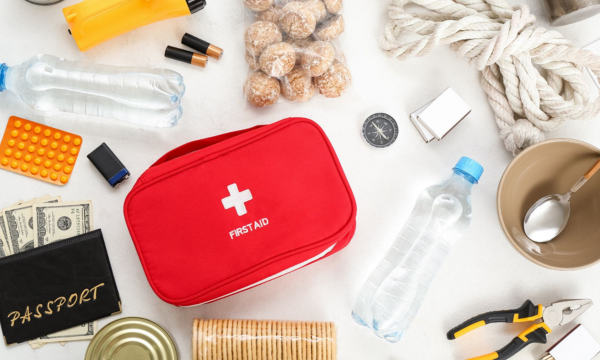
For a country that is situated along the Pacific Ring of Fire and experiences an average of 20 tropical cyclones annually, the Philippines is urged to be disaster-ready. Filipinos have been repeatedly reminded to prepare an emergency kit or a go bag. Most people usually focus on securing food, water, emergency lights, and energy packs. They tend to overlook an essential component of an emergency kit: medicine.
“In a time of crisis, it is better to assume a mindset that you are on your own for the first two (2) or three (3) days so that you can equip yourself for what you may encounter,” says Makati Medical Center (MakatiMed) Emergency Medicine Specialist Donna de Padua, MD.
During disasters, Dr. de Padua underlines that pharmacies or health centers may be closed or hard to access. Emergency responders, too, might be preoccupied servicing those in life-threatening situations. When these are out of reach, unpreparedness may put individuals in harm, especially for those who have maintenance medications.
According to Dr. de Padua, every go bag should contain basic over-the-counter medications that will be able to address common, minor illnesses. These include:
- Paracetamol
- Pain relievers
- Antihistamines for allergies
- Anti-diarrhea medications
- Oral rehydration tablets
These over-the-counter medicines can provide immediate relief when healthcare becomes inaccessible or delayed. For people with chronic diseases such as asthma, diabetes, hypertension, or heart conditions, it is important to maintain a supply of prescribed medications.
“If you take maintenance medications, keep a supply that will last for at least one (1) to two (2) weeks in your go bag,” reminds the MakatiMed doctor. “Make it a point to refill them as well so that supply will not run out.”
Other necessities, such as inhalers for those with asthma, must be prepared as well. Dr. de Padua reminds individuals to store medicines properly as “failure to maintain treatment during an emergency can result in serious health complications.”
The documents that could save your life in a disaster
Aside from medication, Dr. de Padua discusses the importance of preparing medical records and prescriptions ahead of a disaster.
While individuals are able to organize their passports, birth certificates, and insurance papers, medical records must be understood as equally important.
“Keep your prescriptions and medical records in a waterproof, sealed bag. These documents can help healthcare providers make the right decisions if you need medical care during an emergency,” Dr. de Padua explains.
Bring with you anything that indicates your emergency contact information as well as your blood type. On top of physical copies, ensure you have digital copies of all these documents too.
Beyond the go bag
While equipping oneself with supplies is important, disaster preparedness involves something more: resilience.
“Resilience is the whole process—from being prepared, to responding, to being able to bounce back after a crisis,” Dr. de Padua says. She urges families to discuss how they can support one another during emergencies. With this, the doctor suggests establishing communication and evacuation plans.
Conducting regular emergency drills can also make a difference. “The more you practice, the more automatic your response becomes,” Dr. de Padua states.
Learning basic first aid and cardiopulmonary resuscitation (CPR) is another significant practice. Dr. de Padua explains that these capabilities can help stabilize injured individuals while waiting for professional medical assistance. While doing so, consider family members with special needs.
The MakatiMed doctor suggests preparing comfort items for children, including toys or blankets, in their go bags to reduce anxiety. For older adults, equipment such as mobility devices and hearing aids must also be within reach.
Disasters are unpredictable, but preparation can mitigate risks. Having a go bag with essential medicines, medical records, and relevant supplies can help families effectively and safely navigate the critical first days of a disaster.
Article based on the Healthline with MakatiMed guesting of Donna de Padua, MD on DZRJ 810 AM – Radyo Bandido last August 11, 2025.
For emergencies, proceed to the MakatiMed Emergency Department/MakatiMed Urgent Care or request for an ambulance at (+632) 8888 8910. You may also call one of our representatives at (+632) 8888 8999 for immediate assistance.
Follow our social media pages for more health-related content and for the latest updates: https://www.makatimed.net.ph/social-media-pages/