
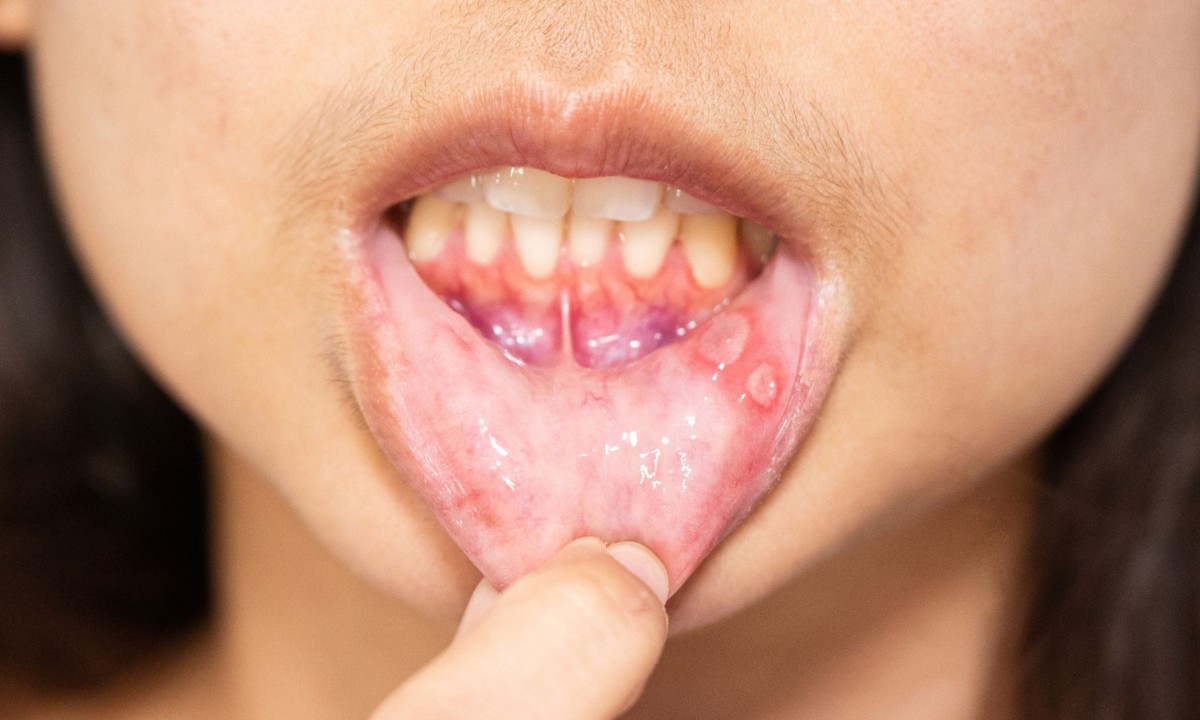
Though it typically measures less than a centimeter, a canker sore (known by its medical term as aphthous ulcer and colloquially as singaw) can ruin your entire day. Found on the lips, cheeks, gums, or tongue, these non-contagious small, shallow, and white lesions with a white or red tip and red border are so painful, they affect eating, drinking, and speech.
Who gets ‘singaw’?
“Canker sores, which appear either one or several at a time, are usually found among people who are stressed and those with vitamin deficiencies like B12, folic acid, iron, and zinc,” says Makati Medical Center Otorhinolaryngologist Robertson G. Ramirez, MD.
“They can also be seen among those with low levels of resistance due to an autoimmune disease like lupus or Crohn’s disease, or with people who have AIDS. Lastly, they are seen in people who have side effects from chemotherapy or radiation.”
Trauma to the mouth can also cause a canker sore, which is why those who wear braces are prone to singaw, as are those with tight- or loose-fitting dentures.
Left untreated, a canker sore lasts anywhere from one (1) to two (2) weeks. But if the pain is bothersome to the point that it gets in the way of eating or talking comfortably, Dr. Ramirez suggests swishing a warm saline solution in your mouth “as salt helps ease swelling. Also, avoid salty, sour, spicy, and acidic foods so as not to irritate the canker sore, and avoid smoking and drinking.”
Using a soft-bristle toothbrush is a gentle way to clean your teeth without irritating a canker sore
When to see a doctor for your canker sore
Ordinarily, a canker sore does not merit a visit to your primary care physician. “But if it does not resolve after two (2) weeks or returns immediately after it got better, see an ENT Specialist, who will conduct a physical exam, inquire about your health history, and order tests to determine the reason behind its recurrence,” says Dr. Ramirez.
Other signs that you should see a doctor are when the canker sore is larger than one (1) centimeter, is persistent, and is accompanied by flu-like symptoms.
The MakatiMed doctor dispels the old wives’ tale about canker sores being caused by changes in weather. It is all about lifestyle modification, he says. “Improve your resistance and have good oral hygiene. If you have poor oral hygiene, you are more prone to having canker sores.”
Article based on “Say ni Doc: Dahilan ng Pagkakaroon ng Singaw” guesting of Robertson “Robin” G. Ramirez, MD, last February 3, 2023.
Follow our social media pages for more health-related content and for the latest updates: https://www.makatimed.net.ph/social-media-pages/