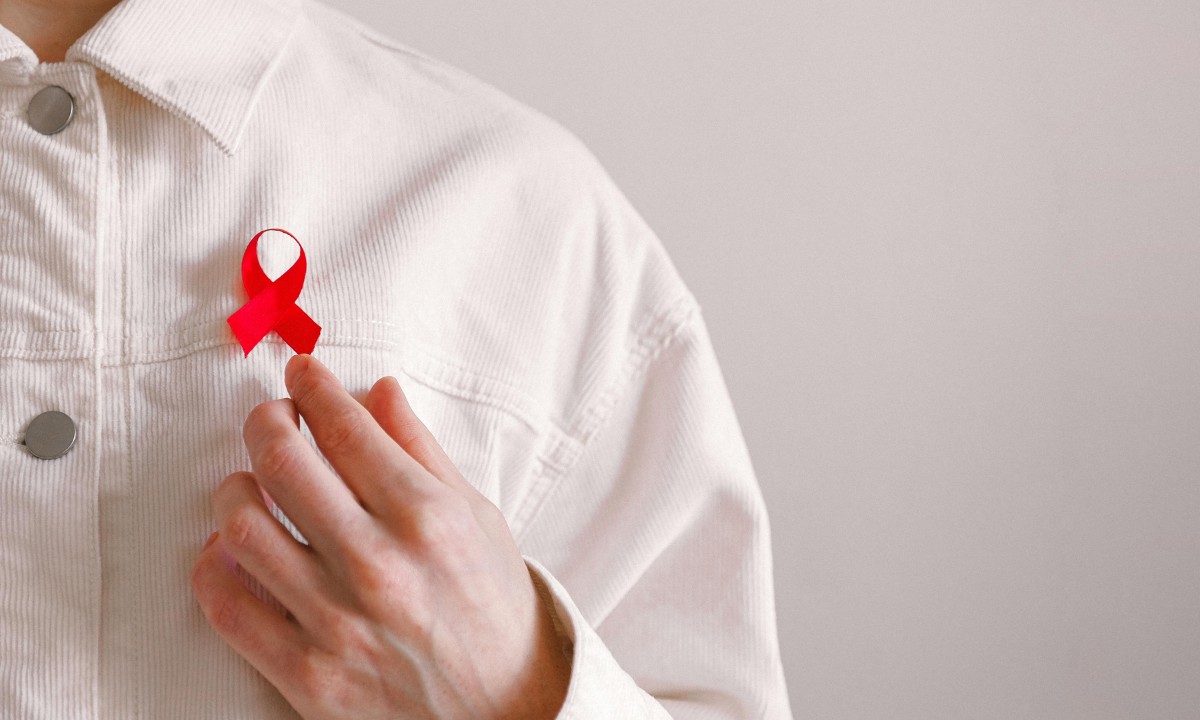
When it was first diagnosed in the early 1980s, human immunodeficiency virus (HIV) was a looming death sentence that took approximately two (2) million lives annually during its peak from 2004 to 2006.
Today, as experts continue to fine-tune potential cures to the disease in clinical trials, breakthroughs in suppressing the virus have allowed millions diagnosed with HIV to go on living productive and “normal” lives. The oral or injectable PrEP (Pre-Exposure Prophylaxis) protects healthcare workers exposed to HIV patients, individuals who engage in unprotected sex, and those with partners who have HIV from contracting the virus by an astonishing 99 percent, while the set of pills that make up antiretroviral therapy (ART) suppresses the production of HIV, rendering those diagnosed with the virus incapable of infecting others.
So why does HIV persist in the Philippines, and in such alarming numbers? According to a June 2025 report from the Department of Health (DOH), the number of Filipinos between the ages of 15 and 25 years infected with HIV has increased by a mind-blowing 500%.
Society’s role in rising HIV cases
For Ma. Tarcela Gler, MD, Infectious Diseases Specialist at Makati Medical Center (MakatiMed), it is all about stigmatization.
“First, self-stigma. As a Catholic or Christian country, we label having sex as a sin, and having a disease associated with sex is punishment,” she explains. “Second, social stigma. The fact that it’s men having sex with men and then getting a disease because of it, makes them ‘othered’ [or denigrated for being different].”
“Society has a lot of contribution to the rise of HIV,” she says. “Many do not get tested, and we see a lot in the advanced stages of the disease. They fear to be tested because of self-stigmatization and societal stigmatization.”
The importance of HIV testing
People who let stigmatization get the better of them put their and others’ lives at serious risk. With a proper diagnosis from an HIV test, one can begin ART (Antiretroviral Therapy), a combination of medicines which stops the production of the virus, strengthens the immune system, and prevents others from being infected.
Accessible and affordable, HIV tests involving a blood sample can be administered in a hospital (like MakatiMed’s Center for Tropical and Travel Medicine) and in social hygiene centers, where results can be released in days. Testing can be also done in the privacy of home through a drugstore-bought test kit, which can give you results in minutes.
Still not convinced about getting tested? Consider these facts:
- A single sexual encounter or drug session can transmit the disease
HIV is transmitted through body fluids (semen, blood, rectal and vaginal fluids, breastmilk) and contaminated needles and syringes. It only takes one instance of unprotected sex or shared drug use with an HIV-positive person to transmit the virus.
- Illicit drug users who share needles and men in same-sex relationships are not the only ones who can get HIV
Mothers who are HIV-positive can unknowingly pass the virus to their baby during pregnancy, childbirth, and while breastfeeding. “Globally, there are a lot of children who carry the disease that they got from their mother,” says Dr. Gler.
The drugs in ART are safe for women to take in these stages of motherhood. “She can be given antiretroviral drugs when she is pregnant and continue after,” says the MakatiMed infectious diseases doctor. Even HIV-positive infants can receive the drugs upon childbirth and continue with it as they grow.
- You do not have to go through your diagnosis alone
For all the stigmatization and bullying endured by HIV-positive individuals, there is also much care and compassion for them. MakatiMed’s Center for Tropical and Travel Medicine has counselors—people who are living with HIV—to assist newly diagnosed patients in this stressful time. “It is holding their hand during this first year of their journey that is very crucial,” says Dr. Gler. “A positive diagnosis is a very heavy mental health baggage to bear.”
Let us be honest: Getting an HIV-positive test result is devastating news. But as millions who are managing the disease with medication have proven, it doesn’t have to be the end of the world.
“[ART] is a treatment for oneself and a treatment for society,” says Dr. Gler. “So, test early and treat early so you don’t get advanced HIV, and you prevent infecting others.”
Article based on “Life Balance DWIZ News TV” guesting of Ma. Tarcela Gler, MD, last December 2, 2025.
Follow our social media pages for more health-related content and for the latest updates: https://www.makatimed.net.ph/social-media-pages/