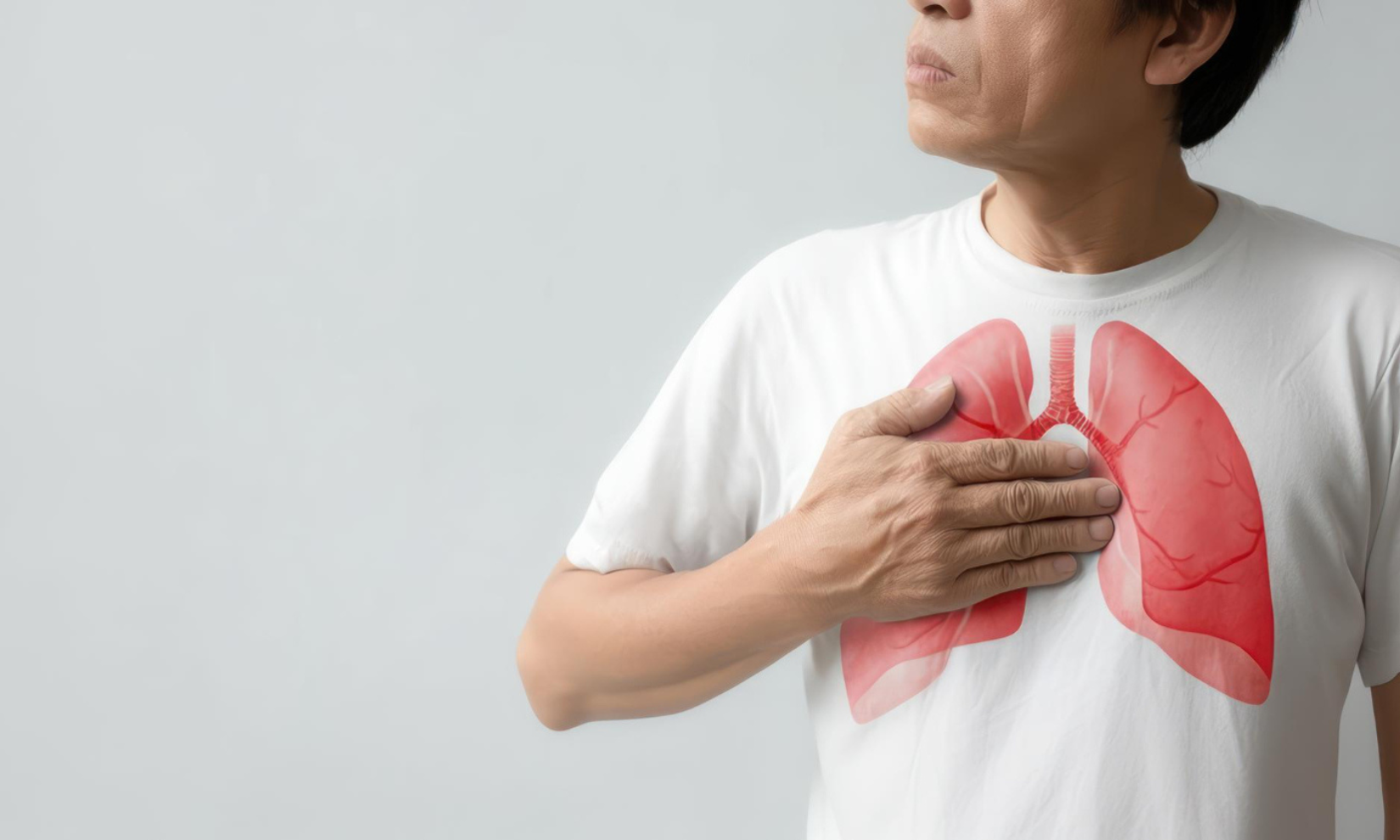
If Lung Cancer is the number one cause of cancer death in the Philippines and worldwide, it is because its symptoms—a persistent cough, blood in the phlegm, shortness of breath, unexplained fatigue and weight loss, hoarseness—do not show in its early stages.
“The challenge is diagnosing Lung Cancer,” concedes Antonio Ramos, MD, Thoracic and Vascular Surgeon at Makati Medical Center (MakatiMed). “With the breast you can palpate or do a self-breast examination. But you cannot palpate the lungs.”
Adding to the difficulty in diagnosis is the fact that Lung Cancer is no longer exclusively a smoker’s disease. According to Dr. Ramos, a 2023 study conducted in Asia revealed that young females who have never smoked have a high risk of developing Lung Cancer, especially if they have a family history of it or have been exposed to second-hand smoke.
“It is very, very peculiar. Smokers themselves do not develop cancer, but those exposed to second-hand smoke develop cancer,” he says. “Most probably, it is because the smoker himself does not have the genetic predisposition, whereas those exposed to second-hand smoke have a genetic predisposition. Genetic predisposition is a very, very significant risk factor among women who never smoked to develop Lung Cancer.”
Still, there is hope and a future for those who have been diagnosed with or are living with Lung Cancer. Thanks to accessible testing as well as breakthroughs in treatment, Lung Cancer is not the death sentence that it was decades ago.
4 ways modern medicine helps in Lung Cancer management
1. Low-dose CT scan
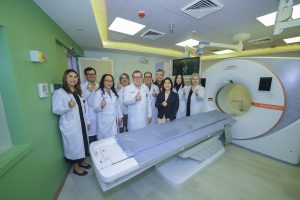
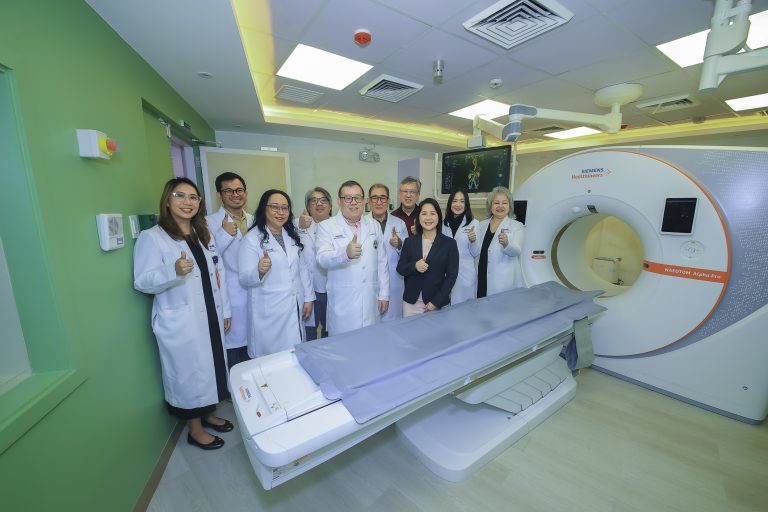
This diagnostic test is the standard screening method for detecting Lung Cancer. “It is the same CT [computed tomography] scan in hospitals, but the radiation is very low, so it is safe,” says the MakatiMed doctor.
Do not wait to experience symptoms to get tested: Males aged 50 to 75 years old with a history of smoking or a history of cancer in the family should have themselves screened for Lung Cancer, as do females of any age with a family history of cancer.
2. Surgery
Back in the day, doctors made an incision between your ribs big enough for them to put their hands into your chest. That procedure, which ended with a long and painful recovery, has since been replaced with video-assisted thoracic surgery (VATS). In this minimally invasive approach, doctors make a 1-inch
incision on the side of your chest area to put in a tiny camera that will guide them and their special tools in removing parts of your malignant lung and lymph nodes.
“I think in the future robotic surgery will be the gold standard,” says Dr. Ramos. “But right now, video-assisted thoracic surgery is less painful, less expensive, and has better results.”
3. New treatments
While chemotherapy and radiation are still effective at destroying cancer cells, the latest treatments prove successful at eliminating cancer—and keeping it away—even at advanced stages. Targeted therapy is oral medication designed for specific mutations of Lung Cancer, while the IV-administered immunotherapy strengthens a patient’s immune system to fight cancer cells.
“Very recent studies show that the survival rate is becoming better and better with the new medications,” says Dr. Ramos.
4. Management
Lung Cancer can be a sad and lonely affair, but a team of doctors assigned to your case ensures you would not be dealing with this disease alone. “We have learned from the pandemic that you can meet online,” he says. “In one sitting, the patient and the Attending Physician can be present virtually together with the Surgeon, Pulmonologist, and Radiologist. We can talk about the disease at the same time and then come up with a decision before the meeting is over.”
“What once took you three (3) to four (4) weeks can only take you 30 minutes now,” he adds of consultations. “The earlier a decision is made on how to manage the patient, the earlier the treatment is started. This is very important because the belief is every two-week delay has an effect on survival.”
Indeed, early detection makes a world of difference. Depending on the result of your low-dose CT scan, it can either give you peace of mind—or it can save and prolong your life.
Says Dr. Ramos, “If you think you belong to the risk group for Lung Cancer, I would suggest you go to Makati Medical Center, see a pulmonologist or go see your doctor and tell them you want to be screened for Lung Cancer and they will help you get your low-dose CT scan. And if ever you have Lung Cancer, you get it at the earlier stage, the treatment will be easier, and the results will be a lot better.”
“Remember,” he assures, “Lung Cancer is not a death sentence.”
Article based on “Understanding Lung Cancer” video of Antonio Ramos, MD last December 2025.
Got questions/concerns? Reach us via MakatiMed On-Call at (+632) 8888 8999 or at mmc@makatimed.net.ph.
Follow our social media pages for more health-related content and for the latest updates: https://www.makatimed.net.ph/social-media-pages/