Measuring between 1.5 and 2.0 square meters in an average adult, the skin is the largest organ of the human body. As such, it plays a crucial role to our survival. Besides acting as a physical barrier to infection, external threats, and ultraviolet rays, it regulates our body’s temperature and, thanks to nerve endings, allows us to touch, and react accordingly to pleasure and pain.
For Margarita Isabel Tanchiong, MD, a Dermatologist from Makati Medical Center (MakatiMed), our skin is like a house that keeps anything bad and harmful from coming in.
“In the same way that we do not want just anyone entering our home, our skin keeps viruses, bacteria, and fungus away from our body,” she says. “At the same time, it prevents things from going out. So, as we do not want our kids to be out in the streets, our skin keeps our organs intact and functioning properly.”
What your skin says about you
Another great thing about skin? It is an accurate indicator of our health: Treat yourself well—or not—and everyone will know. Smoking, drinking too much alcohol, sun exposure, sleeping with your makeup on, not getting enough sleep, and picking at your face are habits whose effects are eventually seen on our outer shell.
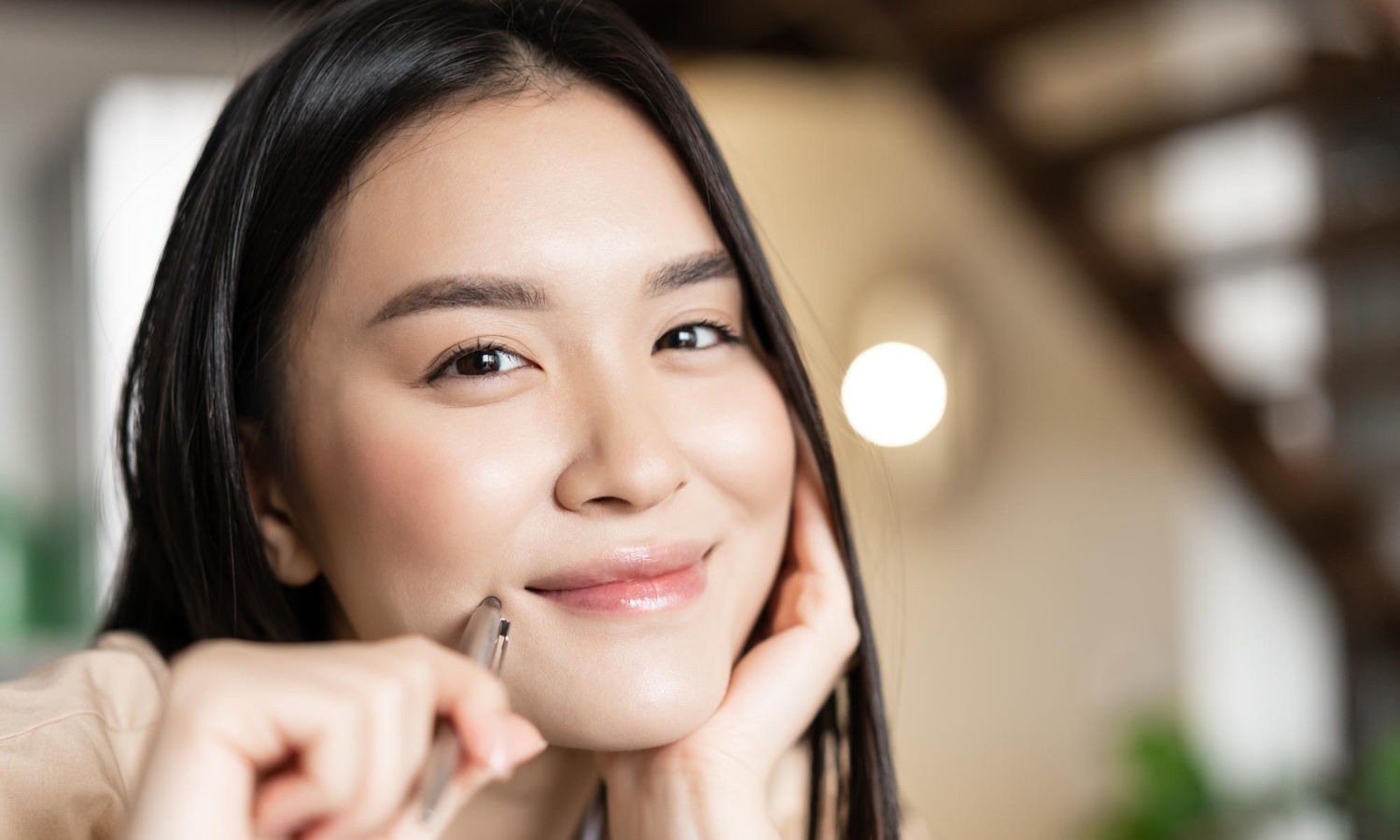
By contrast, healthy skin, according to Dr. Tanchiong, is uniform in texture, well moisturized, and with as few imperfections as possible: meaning, not too many dark spots, pigmentation, acne, and lines or wrinkles. Of course, there are factors beyond our control. Genetics, for one, can predispose us to acne, eczema, and a dark or light complexion.
Age also affects the quality of our skin. “Over time, our skin loses elasticity as we lose some collagen. We also lose some fat and bone,” explains the dermatologist. “It is these changes that cause sagging of the skin, the appearance of wrinkles, and the crinkling of skin texture.”
Achieving healthy skin, says Dr. Tanchiong, takes a holistic approach, a balance of the appropriate products and treatments and the consistent practice of good lifestyle habits.
The first thing you should do? “Love yourself, love your skin, and be kind to your skin,” she says.
- Start early
The earlier, the better, says Dr. Tanchiong. “It is so much easier to prevent signs of aging and UV damage rather than to correct them. Even if my kids are still in grade school, I encourage them to use sunscreen every day.” - Use sunscreen
The dermatologist recommends using a sunscreen with a sun protection factor (SPF) of 30. Choose broad spectrum sunscreen, she adds, one that shields you from both UVA and UBV rays. The former ages your skin, the latter gives you sunburn.
When and how often to apply sunscreen are also important. Slather it 30 minutes before stepping out, and reapply throughout the day, especially if you sweat during sports or get in and out of the water at the beach or pool.
This simple and often overlooked product has the potential to save you from skin cancer. “Oftentimes we think, ‘We are living in the Philippines, we have a little more pigment in our skin, we are never, ever going to get skin cancer. That is a fallacy,” she says. “There is an increasing number of people in the dark-skinned population that are diagnosed with skin cancer.”
- Maintain a skincare routine
For Dr. Tanchiong, a sound skincare routine doesn’t involve a lot of steps. Just the basics will do.
“There are no hard and fast rules [on the sequence of the products], but there is a logical way on how to do it,” she says. “The basic rule of thumb is to use the lighter ingredients first, then the thicker ones in the end.” This means: Facial Wash. Toner. Serum. Moisturizer. Sunscreen.
If a product with an active ingredient is included in your regimen, apply it before you moisturize. Benzoyl peroxide for acne, for instance, can come in after serum and before moisturizer.
The dermatologist often reminds her patients that a skincare routine is like a gym membership. “If you only go once or twice, nothing’s going to happen,” she says. “But if you are consistent and do your routine every day, you’ll definitely see changes over time.”
- Know what works for you
Once you can identify and accept the type of skin you have (Oily? Dry? Combination?), it is easier to pick the products that can treat or enhance what you have.
Oily-skinned people benefit from products that are oil-free, noncomedogenic, and gel-like rather than creamy. Salicylic acid can address acne-prone skin by unclogging pores and reducing oiliness.
Products with ceramides, lipids, and ingredients with hydrating properties are recommended for those with dry skin.
- Consider technology
Sometimes, topical products can only do so much. Laser treatments have addressed everything from skin tag (a benign growth on the skin that develops in sweaty areas) and warts (viral benign growth) to uneven pigmentation, pimple scars, stubborn blackheads, and fine lines and wrinkles.
“My best advice is to get professional help. Your board-certified dermatologist can really help you manage your skincare concerns,” says Dr. Tanchiong.
- Take care of your body
Fruits and vegetables are a natural and tasty source of vitamins, minerals, and other nutrients that hydrate skin, promote the production of collagen, and preserve skin from sun damage and signs of aging. Regular exercise increases blood flow, flushes out toxins, and reduces stress, all of which give you a happy radiant glow. Sleeping for the recommended eight hours allows the body to repair and regenerate skin cells. And what better way to keep the skin fresh than by drinking water?
Self-love, says Dr. Tanchiong, benefits our skin too. “Each person is unique. We all have some degree of pigmentation, some degree of acne, some degree of lines and wrinkles,” she says. “What’s really important is to learn to be kind to our skin, to be kind to ourselves, and to love ourselves despite our imperfections.”
Article based on “Skincare, skin health: How holistic upkeep improves overall skin condition” guesting of Dr. Margarita Isabel Tanchiong last May 31, 2024.
For the complete list of MakatiMed Dermatologists, click here. Got questions/concerns? Reach us via MakatiMed On-Call at (+632) 8888 8999 or at [email protected].
Follow our social media pages for more health-related content and for the latest updates: https://www.makatimed.net.ph/social-media-pages/