Keep abreast of medical developments and other events View All
Obesity is a medical condition in which excess body fat has accumulated to the extent that it may have an adverse effect on health, leading to reduced life expectancy. Body mass index (BMI), which compares weight and height, is used to define a person as overweight (pre-obese) when their BMI is between 23 kg/m2 and 24.9 kg/m2 and obese when it is greater than 25 kg/m2.
Obesity is associated with many diseases, particularly heart disease, breathing difficulties during sleep, certain types of cancer, and osteoarthritis. Obesity is most commonly caused by a combination of excessive dietary calories, lack of physical activity, and genetic susceptibility, though a limited number of cases are due solely to genetics, medical reasons or psychiatric illness.
Obesity is a leading preventable cause of death worldwide, with increasing prevalence in adults and children, and authorities view it as one of the most serious public health problems of the 21st century.
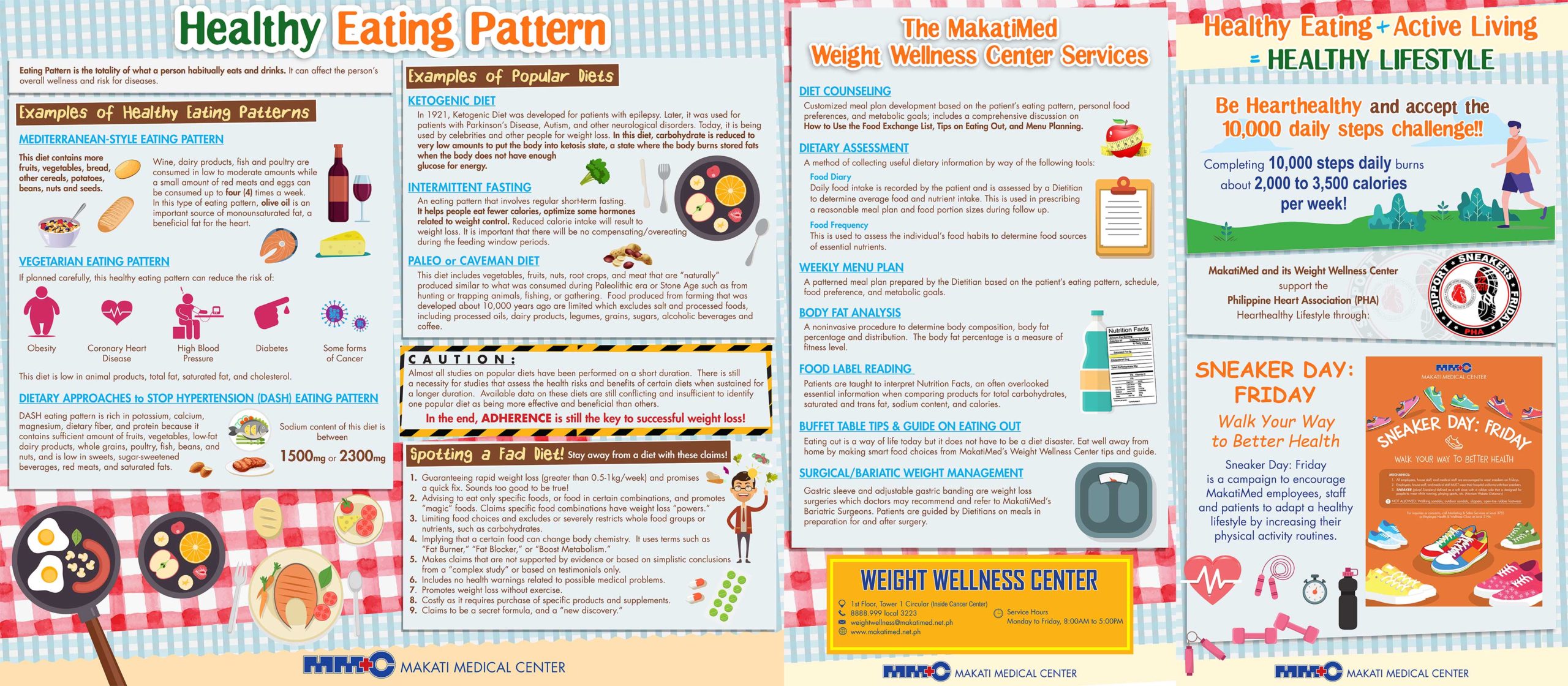
The objective of the Weight Wellness Center is to provide a comprehensive multidisciplinary approach to weight and wellness management. We are dedicated to helping our patients lose weight, keep it off and live a healthier lifestyle.
Target Population
WEIGHT LOSS OPTIONS
Weight loss and weight maintenance are complex, and treatment options for weight loss should depend on the patient’s weight and individual needs. Our specialized programs include:
A. MEDICAL WEIGHT LOSS OPTION
The Medical Weight Management Program is a one-on-one, individualized program designed to promote healthy weight loss without eliminating any food groups, starving, having to eat foods you don’t like or purchasing special foods. Diet pills are an option when indicated.
It examines all aspects of your health to create a weight loss plan that sets you up to succeed. Certified and licensed medical professionals will consider your individual requirements, assess your needs, and devise a plan to help you obtain a healthy weight goal. This plan will promote healthy eating, an appropriate activity level, and help you make improved lifestyle choices.
1. Nutrition Consultation
A full nutritional assessment by a registered dietitian with recommended dietary changes and a plan tailor-made to your likes and health requirements.
A diet is a specific eating plan based upon a measured intake of calories, proteins, carbohydrates, fats, salts and sugars.
2. Physical Training Program
An individualized exercise and fitness plan developed for you by an exercise physiologist, starting at your level of ability and without pressure.
Regular physical activity is necessary for good health. It is primarily important for someone who is trying to lose weight or maintain a healthy weight. Exercise can not only help to control weight, it contributes to healthy bones, joints and muscles.
3. Behavioral Modification Therapy
Behavior plays a significant role in obesity. Modifying behaviors that have contributed to developing obesity is one way to treat the disease either alone or in conjunction with other treatments. A few suggested behavior modifiers include:
B. SURGICAL WEIGHT LOSS OPTION
Weight loss surgery is the only option today that effectively treats morbid obesity in people whose Body Mass Index (BMI) is equal to or greater than 40kg/m2 or has a BMI equal to or greater than 35kg/m2 with co-morbidities and when a more conservative measure such as diet, exercise and medication has failed.
There are different weight loss surgery options and our surgical team can help choose the best option for you. Most weight loss surgeries are done by laparoscopy which means minimally invasive. This type of medical procedure ensures a shorter length of stay, quicker recovery time and less risk.
1. Laparoscopic Adjustable Gastric Band (Lap-Band®)
The LAP-BAND® procedure is solely restrictive and does not involve any stapling or re-routing of the gastrointestinal tract. This safe and minimally invasive weight loss procedure causes weight loss as a result of reduced food intake.
The LAP-BAND® system uses an adjustable silicone ring which is secured to the upper portion of the stomach, creating a new pouch that limits food consumption. In addition to the silicone ring, tubing is connected to an access port, which is placed beneath the skin during surgery. This allows the surgeon to increase or reduce the size of the ring to better promote successful weight loss.
2. Roux-en-Y Gastric Bypass Surgery
Roux-en-Y gastric bypass is considered the “gold standard” and is the most common gastric bypass surgery. During the two- to four- hour procedure, the surgeon creates a small stomach pouch which is divided into two compartments using surgical staples. A Y-shaped section of the small intestine is then attached to the pouch to allow food to bypass the lower stomach and the first two segments of the small intestine. The upper compartment is very small (about one or two ounces) and restricts food intake. The lower part of the stomach no longer stores food or aids in the digestive process. This bypass reduces the amount of calories and nutrients the body absorbs.
3. Sleeve Gastrectomy
Sleeve Gastrectomy was part of a bariatric operation known as bilio – pancreatic diversion with duodenal switch. During the past few years it has been done as a stand alone procedure. This operation entails resection (removal) of a major portion of the stomach. Reports of results of up to 5 years of follow up seem to be good. Longer follow up is needed to demonstrate durable long term results.
SPECIAL SERVICES OFFERED:
Fat Analysis
The body is composed of bones, blood, organs, muscle, water and fat. Monitoring and maintaining various aspects of the body composition in the desirable range is an important part of a healthy lifestyle. Body composition monitors provide information essential for staying healthy and allows one to determine if changes are necessary in activity level, exercise program and diet.
Fat Analysis is a non-invasive procedure used for determining body composition. This device estimates various aspects of body composition including: weight, body fat percentage, Body Mass Index (BMI), subcutaneous fat, skeletal muscle, visceral fat, resting metabolism and body age.
BioEnterics® Intragastric Balloon (BIB®) System
The BIB® System is a non-surgical, non-pharmaceutical aid in the treatment of obesity. In conjunction with a supervised diet and behaviour modification program, it can help you achieve the health and aesthetic benefits associated with weight loss.
The BIB® System consists of a soft, expandable balloon, the placement tube and a filling system so a physician can orally insert the weight loss aid.
Reap the benefits of staying healthy. Increase your health knowledge—and your lifespan—with interesting articles on keeping fit, eating well, helping your loved ones heal from common ailments, dealing with pain, and much more.
Read More »Learn about innovations in patient care, new procedures in our departments, new equipment upgrades, new investments, and the countless other ways that we make our services exceptional.
Get the exceptional patient care you deserve in our multidisciplinary Centers of Excellence that are stocked with advanced equipment—and staffed by experienced specialists, caring nurses and outstanding staff.
Read More »Obtain safe, low-cost, world-class medical care as you take time off to savor the sights and sounds of an exotic tropical country with a strong tradition of healing—and a steady source of top-notch health care professionals..
Read More »